
This is a trust decision, not a price decision
Choosing a restoration shop means handing over your car and, over the length of the build, a five-figure or six-figure check, then waiting months to see the result. The cheapest quote is almost never the thing to optimize for. What you are really buying is trust that the work will be done right and the car will come back. These twelve questions surface that fast.
The twelve questions
-
Can I see finished cars in person? Photos are easy to borrow. Ask to see completed restorations, ideally cars similar to yours. Look at panel gaps, paint reflections, and the details under the hood and in the trunk.
-
Can I talk to three past customers? A real shop has happy owners who will take your call. Ask those owners about timeline, communication, surprises, and whether they would do it again.
-
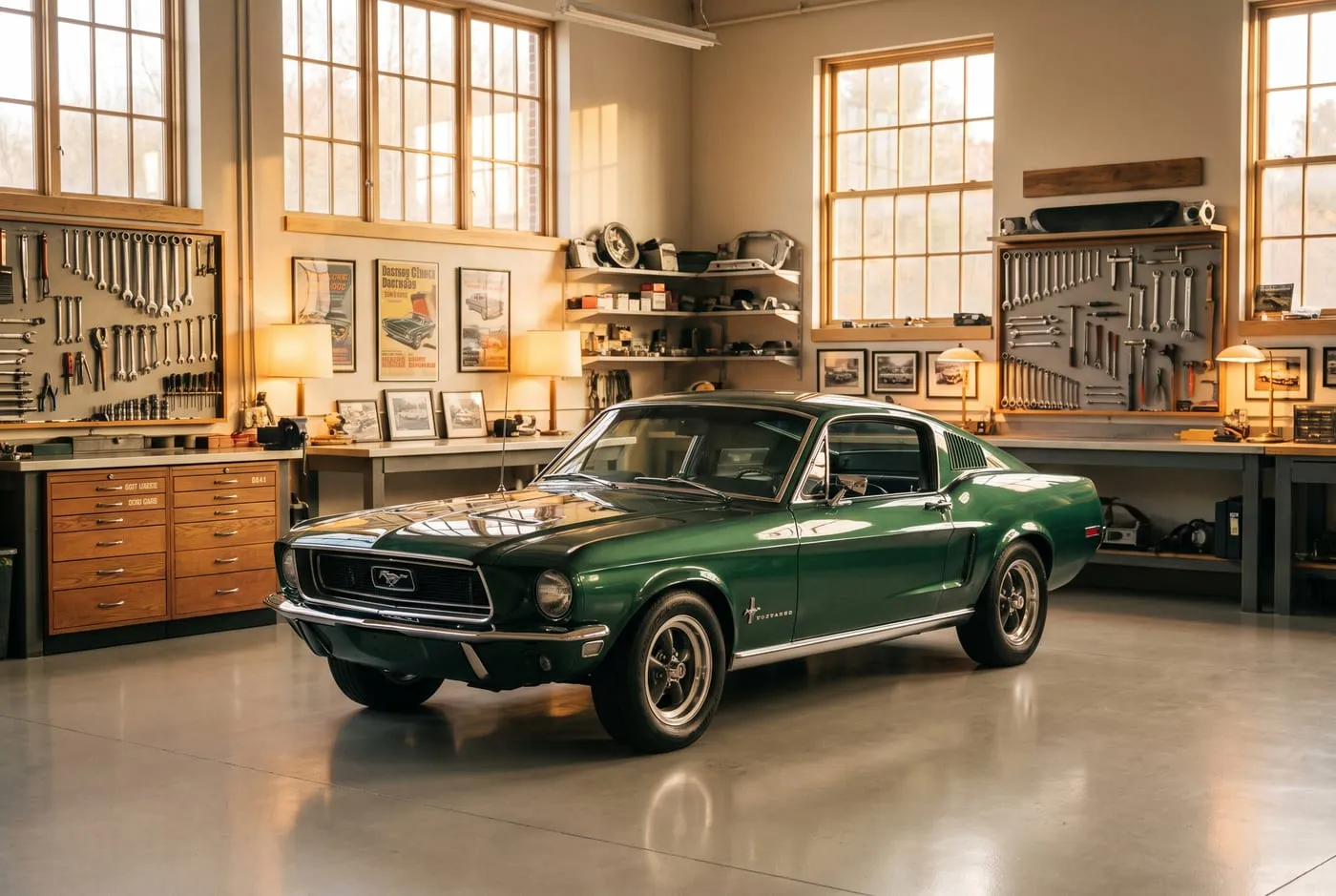
Can I visit the shop? A clean, organized shop with quality work in progress tells you everything. Reluctance to show you the floor is a warning.
-
Will I get a written scope? The build should be defined in writing: what is included, what is not, and what happens when something unexpected is found.
-
How is payment structured? Payments should track milestones, not land as one big deposit up front. Staged payments protect you and keep the shop accountable.
-
What is a realistic timeline? A straight shop gives you a real range and explains what drives it, rather than a number you want to hear.
-
How will you document the work? Stage-by-stage photos are proof of what was actually done, and they add value when the car is finished or sold.
-
How do you handle hidden rust or surprises? Every real restoration uncovers something. Ask how change orders and added cost are communicated and approved before work continues.
-
Do you do the metal, paint, engine, and interior in-house? Shops that farm out major work add cost, time, and coordination risk. In-house capability usually means tighter control.
-
Can you keep my car numbers-matching / correct? If value depends on originality, make sure the shop understands codes, correct parts, and what judges look for.
-
What is your warranty on the work? A shop that stands behind its craftsmanship will tell you clearly what is covered and for how long.
-
What happens if the build stalls? Ask directly. The most common restoration nightmare is a car stuck for years at a shop that ran out of cash or interest. How a shop answers this question tells you a lot.
The signals that matter
Good shops share four traits: finished cars you can inspect, references who pick up the phone, a written scope with milestone-based payments, and documentation of work as it happens. Bad experiences almost always trace back to the opposite: no proof, large upfront money, vague timelines, and poor communication once they have your car and your deposit.
Ask the questions before you commit, not after. A shop worth hiring will be glad you did.